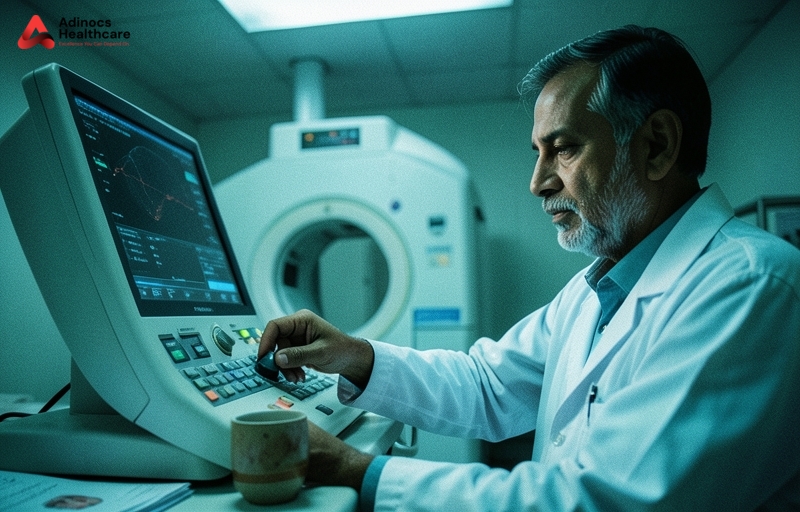
How can Indian hospitals optimize equipment lifecycles? The direct answer is by shifting from reactive, paper-based maintenance to a structured, digital-first asset tracking system that monitors devices from procurement to decommissioning. Implementing a structured strategy for medical equipment lifecycle management India is the most effective operational lever you have. By systematically tracking assets, healthcare facilities can cut capital expenditure by 25% and eliminate unexpected downtime. How much does a down-for-maintenance CT scanner or an uncalibrated biochemistry analyzer cost your facility every single hour? For most Indian hospitals, the answer is a shocking Rs. 15,000 to Rs. 50,000 in lost revenue, plus damaged patient trust.
The short answer: Optimizing your medical equipment lifecycle requires moving from reactive maintenance to a structured healthcare technology management India framework. By doing so, hospitals can extend device lifespans by up to 30%, maintain strict compliance, and save lakhs in avoidable AMC and repair costs annually.
What is Medical Equipment Lifecycle Management India and How Does It Work?
A 50-bed multi-specialty hospital in Siliguri bought a premium 4D ultrasound machine. The clinical staff was thrilled. But they forgot a basic step. They did not set up a localized calibration schedule. Within two years, the transducer probe started showing minor artifacts. Technicians ignored it. No reporting protocol existed. Three months later, the probe failed completely during an emergency obstetric scan. The replacement cost Rs. 4.5 lakh. The machine sat idle for nine days. Total disaster.
MELM is not just about calling a service engineer when a machine stops working. That is reactive fire-fighting. Instead, MELM is a structured protocol that tracks every stage of a machine's life. It begins long before the purchase order is signed. It ends only when the asset is safely decommissioned. When you adopt a formal healthcare technology management India framework, you treat medical devices as dynamic investments, not static expenses.
A typical 100-bed Indian hospital manages over 1,200 individual medical devices, yet 65% of these facilities do not have a centralized digital registry for them. Instead, they rely on Excel sheets, paper manuals, and the memory of busy biomedical engineers. This lack of structure leads to missed preventive maintenance, expired calibrations, and premature equipment failure. By defining clear stages of planning, procurement, installation, maintenance, and disposal, you protect your capital and your patients.
Why is Medical Equipment Lifecycle Management India Critical in 2026?
In January 2026, a mid-sized diagnostic center in Jhansi lost three critical ultrasound probes in a single week due to unmonitored voltage spikes. The repair bill came to Rs. 6.2 lakh. This was not an isolated incident. In 2026, the Indian healthcare market is facing unprecedented operational pressures. Ayushman Bharat (PM-JAY) has vastly increased patient volumes across Tier-2 and Tier-3 cities like Asansol, Jhansi, and Siliguri. However, reimbursement rates under these government schemes are fixed and highly competitive. Margins are shrinking. You simply cannot afford equipment downtime. Every hour an X-ray machine or an analyzer sits idle, your bottom line takes a direct hit.
Regulatory scrutiny is also at an all-time high. According to the Ministry of Health and Family Welfare guidelines on public health infrastructure, medical equipment uptime must be maintained above 95% to ensure quality care. Under the latest CDSCO Medical Devices Rules, tracking the safety and performance of active medical devices is becoming stricter. You must be able to prove that your machines are calibrated and safe for clinical use.
Here's the catch. If you are considering secondary market acquisitions to save costs, you must navigate complex rules. As discussed in our analysis of Why India's Refurbished Medical Device Policy Confuses Labs in 2026, the regulatory landscape for imported refurbished devices requires meticulous documentation. Without a lifecycle management plan that tracks 1,200+ assets with 99.9% uptime, you risk buying equipment that cannot be legally serviced or operated.
Another major regional challenge is utility stability. Power fluctuations in Tier-2 and Tier-3 Indian cities reduce the operating lifespan of sensitive diagnostic PCBs by up to 40% if not managed proactively. Our field studies show that poor power quality is a silent killer of expensive medical hardware. For a deeper look at this issue, read our guide on Why Unstable Power Costs Indian Diagnostic Labs Millions in 2026. Without dedicated power protection and lifecycle tracking, even the most expensive German or Japanese machines will fail prematurely.
How Does Medical Equipment Lifecycle Management India Reduce Operational Costs?
A pathology lab owner in Pune told us that her reagent and maintenance costs jumped 18% in a year without warning. She had no idea which machines were draining her cash. This is a common problem. Without detailed cost tracking per asset, you cannot make informed decisions about when to repair and when to replace.
By implementing a structured diagnostic center equipment strategy, you shift from expensive emergency repairs to planned, lower-cost preventive maintenance. The financial difference between these two approaches is stark. Let us look at the numbers:
| Operational Metric | Reactive Approach (No MELM) | Proactive MELM Approach |
|---|---|---|
| Average Equipment Lifespan | 5 to 7 years | 8 to 10 years |
| Annual Maintenance Cost | 12% to 15% of purchase cost | 6% to 8% of purchase cost |
| Unplanned Downtime | 15 to 20 days per year | Less than 3 days per year |
| Emergency Repair Cost | Premium rates (up to 2x standard) | Negotiated AMC/CMC rates |
| Asset Resale Value | Low (poor service records) | High (certified service history) |
Let us look at a concrete example: an MRI cold head compressor. If you do not monitor helium levels and compressor performance, the cold head will fail. Replacing a failed cold head costs around Rs. 12 lakh. Plus the cost of lost helium. Worth noting: if you track its performance, you can replace a simple adsorber element during routine maintenance for Rs. 80,000. You save over Rs. 11 lakh with a single proactive action. Every time.
This is not just theoretical. A 120-bed hospital in Patna achieved a 22% reduction in annual maintenance costs by implementing a predictive calibration schedule for their radiology assets. They stopped waiting for things to break. Instead, they scheduled maintenance during low-volume hours, preserving both their revenue and their clinical reputation.
To achieve these cost savings medical equipment lifecycle benefits, you must calculate the Total Cost of Ownership (TCO) for every asset. The purchase price is just the tip of the iceberg. You must factor in power consumption, consumables, AMC/CMC charges, and staff training costs over a ten-year period.
How Does MELM Ensure NABL/NABH Compliance?
A lab owner in Kolkata recently faced a stressful situation. During a routine NABL audit, the inspector randomly selected three micropipettes and a hematology analyzer. The lab could not find the calibration certificate for one of the pipettes. The analyzer's daily quality control logs had gaps from two weeks prior. The result? A major non-conformance (NC) that delayed their accreditation renewal by forty-five days. This delay cost them several corporate diagnostic contracts.
NABL and NABH standards are non-negotiable for quality-focused providers. According to the National Accreditation Board for Testing and Calibration Laboratories (NABL), every piece of equipment impacting test results must have documented traceability to national or international standards. This means you need an airtight system for tracking calibration schedules, maintenance history, and operator training logs.
An effective NABL compliance equipment lifecycle strategy ensures that every device has a unique asset ID, a digital folder containing all certificates, and automated alerts for upcoming calibrations. When an auditor walks in, you must act fast. You should be able to pull up the complete history of any machine in less than two minutes. No scrambling through paper files. No excuses.
In 2026, compliance also extends to digital security. As hospitals connect more devices to local networks, cybersecurity has become a key part of NABH audits. If your CT scanner's operating system is unpatched, it represents a major security vulnerability. For more on this emerging threat, read our guide on Why Networked Medical Equipment Is a Cyber Risk in India. Proper lifecycle management includes regular software updates and security patches to protect sensitive patient data.
What are the Key Stages of Effective MELM?
Consider a 150-bed hospital in Ranchi that purchased a high-end CT scanner without evaluating their local power grid stability. Within six months, the scanner's main board fried twice, costing Rs. 8 lakh in repairs. This disaster could have been avoided during the planning stage. If you want to build a resilient hospital equipment management India framework, you must understand the five key stages of the equipment lifecycle. Each stage requires specific operational protocols and executive oversight.
What this means:
- Planning and Technology Assessment: Do not buy a 3T MRI just because your competitor in Ranchi has one. Analyze your local patient demographics and clinical needs first. Will you perform enough scans to justify the high capital cost? Work out the break-even point based on local pricing structures.
- Procurement and Sourcing: When evaluating quotes, look beyond the initial purchase price. Negotiate the AMC or CMC terms at the time of purchase. This is when you have the most leverage. Demand a guaranteed uptime clause (such as 95% or 98%) with financial penalties for breach.
- Installation and Commissioning: Ensure your facility's infrastructure meets the manufacturer's specifications. This means checking earthing levels, installing online UPS systems, and ensuring proper air conditioning. A poor physical environment is the leading cause of early component failure in India.
- Operations and Preventive Maintenance: Move away from paper logs. Implement a digital Computerized Maintenance Management System (CMMS) that tracks daily quality control, calibration dates, and PM schedules. Train your operators to perform basic daily cleaning and checks. Most machine breakdowns are caused by simple user errors or lack of basic hygiene.
- Decommissioning and Disposal: When a machine reaches the end of its useful life, dispose of it safely. You must comply with the E-Waste (Management) Rules of India. Ensure that all patient data is permanently wiped from the machine's hard drive before it leaves your facility.
Here's the catch: Most hospitals focus 90% of their energy on negotiating the purchase price, but 70% of a medical device's total lifetime cost is incurred after the purchase order is signed. If you do not manage the post-purchase stages actively, your "cheap" machine will end up costing you far more than a premium alternative with a structured maintenance plan.
Key Takeaways for Indian Healthcare Leaders
A 2025 industry survey of 200 Indian hospitals revealed that proactive maintenance reduces emergency repair calls by 45%. To achieve similar results, keep these key takeaways in mind:
- Audit your assets immediately: Create a digital registry of every medical device in your facility, including its purchase date, warranty status, and calibration history.
- Negotiate uptime guarantees: Never sign an AMC or CMC contract without a strict uptime clause. If the machine is down, the vendor must pay a penalty.
- Protect your power supply: Install high-quality online UPS systems and monitor earthing levels regularly to prevent expensive PCB failures.
- Go digital for compliance: Replace paper logs with digital tracking to ensure you are always ready for NABL and NABH audits.
- Train your operators: Invest in regular training for your clinical staff. Proper daily care can extend a machine's lifespan by years.
Frequently Asked Questions About MELM
How long does a CT scanner last in Indian hospitals?
Seven to ten years is the typical operational lifespan for high-end diagnostic equipment in India under proper maintenance. However, without proactive lifecycle management and power stabilization, this can drop to less than five years. Environmental factors like dust, humidity, and voltage fluctuations significantly accelerate wear and tear.
What is the average cost of a medical equipment CMC in India?
Six to ten percent of the original equipment purchase price is the standard annual cost for a CMC in India. For high-value assets like CT or MRI scanners, this can translate to Rs. 5 lakh to Rs. 15 lakh per year. It is highly recommended to negotiate these rates during the initial procurement phase when your bargaining power is highest.
Does NABL accept digital calibration logs instead of paper?
Yes, digital logs are fully accepted by NABL auditors, provided they have electronic signatures, time-stamps, and strict access controls. Transitioning to a digital asset management system eliminates the risk of lost paper certificates and ensures your facility is always audit-ready.
How do voltage fluctuations affect medical equipment lifespan in Tier-2 Indian cities?
Over forty percent of electronic board failures in Indian medical devices are caused by voltage fluctuations and poor earthing. Installing dedicated online UPS systems and monitoring power quality is the single most effective way to protect sensitive diagnostic components and extend their operational lifespan.
Take Control of Your Equipment Lifecycle Today
Managing complex medical hardware can be a major distraction from your core mission: delivering excellent patient care. We at Adinocs Healthcare understand this challenge. Based in Kolkata, we provide end-to-end support for diagnostic facilities across Eastern India. We do not just sell equipment; we handle installation, AMC support, and operator training to ensure your assets deliver maximum value. If you want to optimize your diagnostic operations without large upfront capital investments, we also offer flexible pay-per-use models. Book a free operational audit of your radiology department with Adinocs Healthcare today to stop losing revenue to unexpected downtime.
Data sources: Central Drugs Standard Control Organisation (CDSCO) Medical Devices Rules, National Accreditation Board for Testing and Calibration Laboratories (NABL) Guidelines, Ministry of Health and Family Welfare (MoHFW) Infrastructure Guidelines, World Health Organization India Healthcare Technology Reports.