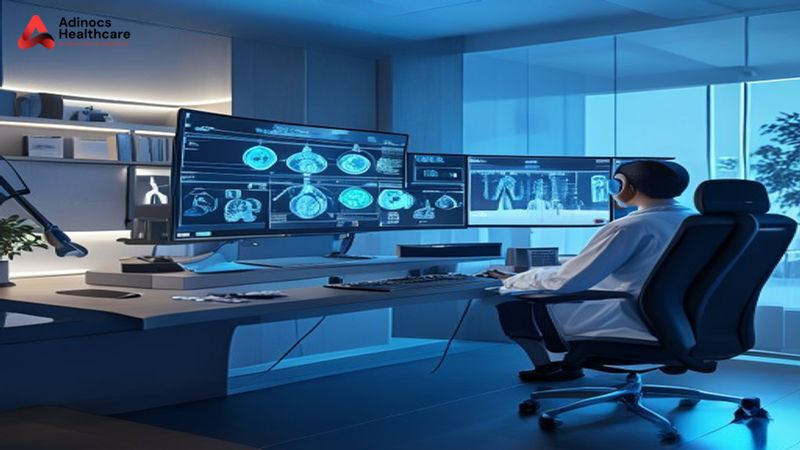
Most diagnostic centres in India lose up to 25% of their potential MRI and CT scan revenue simply because they cannot deliver reports on weekends or after 8 PM. In a market where patients expect quick results to begin treatment, a delayed report means they will simply walk across the street to your competitor. For hospital administrators and diagnostic lab owners, managing this bottleneck while keeping operational expenses under control is a constant balancing act. If you are trying to scale your imaging services, understanding the exact teleradiology cost India is the first step toward building a highly profitable, 24/7 diagnostic operation without the burden of heavy fixed salaries.
What factors influence teleradiology cost India in 2026?
A 50-bed hospital in Siliguri, West Bengal, recently upgraded its diagnostic wing with a new 16-slice CT scanner. While the capital investment was planned, the management faced an unexpected hurdle: they could not find a local radiologist willing to report emergency scans after 6 PM. Their scans lay unread until the next morning, delaying critical trauma care and causing patients to seek services elsewhere. When they looked into outsourcing, they realized that teleradiology pricing is not a flat rate but is influenced by several operational variables.
A 2026 market survey by the Indian Radiology Association indicated that 68% of diagnostic centers now outsource at least 40% of their advanced MRI reporting to manage sub-specialty workloads. Understanding these variables helps you negotiate the best rates for your facility. Here are the primary factors that determine the final cost of remote reporting in the Indian market today:
- Modality and Scan Complexity: Plain X-rays are the most economical, typically ranging from Rs. 50 to Rs. 150 per report. Computed Tomography (CT) scans generally cost between Rs. 400 and Rs. 800. Magnetic Resonance Imaging (MRI) scans, which require detailed multi-sequence analysis, range from Rs. 800 to Rs. 1,800 depending on whether they are single-region or multi-region studies. Complex investigations like CT coronary angiographies or functional MRIs command higher rates due to the specialized expertise required.
- Turnaround Time (TAT) Commitments: If your facility requires routine reporting with a 12-hour to 24-hour window, you will pay the baseline rate. However, emergency or "stat" reporting (guaranteeing a report within 1 to 2 hours) carries a premium of 20% to 35%. This is because the service provider must dedicate active radiologist hours to monitor your queue continuously.
- Sub-speciality Reporting Requirements: A general radiologist can report a standard abdominal ultrasound or CT. However, evaluating a complex musculoskeletal MRI, a pediatric neuro-imaging scan, or a breast mammogram requires sub-specialist intervention. Accessing these niche specialists increases the per-report cost but significantly reduces diagnostic errors.
- Monthly Scan Volume: Almost all teleradiology providers operate on a tiered pricing structure. A diagnostic centre in a Tier 2 city committing to 600 CT scans a month can negotiate a rate that is 20% to 30% lower than a startup clinic sending only 40 scans a month.
- Software and Integration Fees: Some remote reporting companies charge a one-time setup fee to integrate their cloud PACS with your modalities. Others include this setup, along with DICOM viewer access, as a complimentary service to secure long-term reporting volume.
According to recent data from the National Health Authority (NHA) in 2025, diagnostic facilities that adopt structured digital workflows report a 35% improvement in equipment utilization, largely driven by removing the reporting bottleneck.
How does teleradiology cost India compare to hiring a full-time radiologist?
A diagnostic centre owner in Asansol spent nearly six months trying to recruit a full-time radiologist to manage their newly installed MRI machine. The candidates they interviewed demanded a monthly salary of Rs. 2.5 lakh, a rent-free family apartment, and a guaranteed lock-in period. For a centre processing fewer than 10 scans a day, paying a massive fixed salary was financially unviable, yet they could not operate the machine without a reporting doctor.
This scenario is common across India due to the acute radiologist shortage India is experiencing. When you compare the fixed overhead of an in-house doctor with the variable structure of teleradiology pricing for diagnostic centers India, the financial contrast is stark:
- The Fixed vs. Variable Cost Model: A full-time radiologist in India commands a salary ranging from Rs. 1.5 lakh to Rs. 4.5 lakh per month depending on their experience and location. This is a fixed cost that you must pay regardless of whether you perform 50 scans or 500 scans a month. With teleradiology, you only pay for the reports you generate. If your scanner is down for maintenance or patient footfall drops during a festival season, your reporting expenses drop to zero.
- 24/7 Coverage Limitations: A single on-site radiologist can work 8 to 10 hours a day. They cannot cover night emergencies, Sunday cases, or statutory holidays. To run a true 24/7 diagnostic operation, you would need to hire at least two, if not three, full-time radiologists, pushing your monthly payroll past Rs. 6 lakh. Teleradiology provides 24/7/365 coverage automatically, without any overtime pay or shift allowance.
- Recruitment and HR Overhead: Finding, hiring, and retaining qualified medical professionals in Tier 2 and Tier 3 cities is incredibly difficult. When an in-house radiologist resigns, a diagnostic centre often faces weeks of downtime, losing lakhs of rupees in patient goodwill and doctor referrals. Teleradiology platforms eliminate this risk by utilizing a large network of credentialed reporters, ensuring your operations never stop.
By shifting to a pay-per-report structure, small and mid-sized centres can maintain a healthy cash flow, using their capital to upgrade equipment or expand their marketing efforts rather than funding expensive payrolls.
Can teleradiology help small Indian clinics meet NABH reporting standards?
A 15-bed clinic in Midnapore, West Bengal, was preparing for its entry-level National Accreditation Board for Hospitals & Healthcare Providers (NABH) audit. During a mock assessment, they were flagged because their emergency X-ray reports were being signed off by a general medical officer rather than a registered radiologist with a post-graduate degree recognized by the National Medical Commission (NMC). This compliance gap threatened their accreditation and their eligibility for government empanelments like Ayushman Bharat.
A 2025 NABL report found that 42% of tier-2 diagnostic centers fail initial audits due to lack of full-time MD radiologists. For small clinics, maintaining compliance with national quality standards is a major operational challenge. Utilizing professional teleradiology services India helps bridge this gap in several ways:
- NMC-Compliant Signatures: Every report delivered via a professional teleradiology network is signed by a qualified MD or DNB radiologist registered with an active state medical council. This ensures full compliance with both NABH and NABL (National Accreditation Board for Testing and Calibration Laboratories) guidelines. According to the NABL 112 directory of specific criteria (2025 guidelines), all diagnostic reports must be authorized by a qualified medical professional, a requirement that remote reporting easily fulfills.
- Standardized Reporting Templates: Accreditation auditors look for structured reporting that includes all essential clinical parameters. Professional teleradiology platforms use standardized, peer-reviewed templates that ensure no critical findings are omitted, raising the overall quality of your clinical output.
- Documented Turnaround Times: NABH guidelines require healthcare facilities to track and optimize their turnaround times, especially for critical alerts. Teleradiology software automatically logs the exact minute a scan is uploaded, when it is assigned, and when the final signed PDF is returned. This digital trail provides clean, unalterable data for your accreditation audits.
- Quality Assurance and Peer Review: Quality systems require regular double-reading or peer-review audits to monitor diagnostic accuracy. Reputable teleradiology providers have built-in peer-review mechanisms where a percentage of cases are randomly double-read by senior radiologists, helping your clinic meet quality assurance benchmarks easily.
By outsourcing, even a single-room clinic in a remote district can deliver reports that match the quality and compliance standards of a metro-based corporate hospital.
How to calculate the ROI of outsourcing radiology reporting and evaluate teleradiology cost India?
A 120-bed multi-speciality hospital in Malda, West Bengal, was hesitant to outsource its radiology reporting, fearing that paying Rs. 600 per CT scan would erode their diagnostic margins. However, they were losing an average of four trauma patients every night because they could not provide immediate CT reports. After analyzing their clinical leakages, they decided to calculate the true return on investment of outsourcing.
To evaluate the actual impact of outsourced radiology reporting cost India on your balance sheet, you must look beyond the simple cost-per-report. Here is a practical formula to calculate your monthly return on investment:
Step 1: Calculate Lost Revenue Restored
If you run a 24/7 emergency setup but lack night reporting, you are turning patients away. Let us assume you restore just 2 emergency CT scans per night (60 scans a month) at an average patient billing of Rs. 3,500 per scan.
Restored Revenue = 60 scans * Rs. 3,500 = Rs. 2,10,000 per month.
Step 2: Calculate In-House Cost Savings
By outsourcing your night and weekend reporting, you avoid hiring an additional night-shift radiologist, saving on salary, recruitment fees, and employee benefits.
Salary Savings = Rs. 1,80,000 per month.
Step 3: Calculate Teleradiology Expenses
If your total monthly outsourced volume (including night emergencies and weekend routine scans) is 250 scans, billed at an average rate of Rs. 600 per scan:
Teleradiology Cost = 250 scans * Rs. 600 = Rs. 1,50,000 per month.
Step 4: Apply the ROI Formula
ROI = ((Restored Revenue + Salary Savings) - Teleradiology Cost) / Teleradiology Cost * 100
Plugging in our numbers:
ROI = ((Rs. 2,10,000 + Rs. 1,80,000) - Rs. 1,50,000) / Rs. 1,50,000 * 100
ROI = (Rs. 3,90,000 - Rs. 1,50,000) / Rs. 1,50,000 * 100
ROI = Rs. 2,40,000 / Rs. 1,50,000 * 100 = 160%
In this scenario, the hospital did not just save money; they generated an additional net benefit of Rs. 2,40,000 per month while significantly improving patient care. To maximize these gains, focus on Optimizing Patient Journey in Indian Diagnostic Imaging by reducing the time a patient spends waiting for their scan and subsequent report.
What are the hidden costs of maintaining an in-house radiology team?
A high-volume imaging centre processing 150 scans daily in Kolkata faced a sudden operational crisis when their lead radiologist had to take three weeks of emergency medical leave during the peak dengue and viral season. To keep the centre running, the management had to hire a temporary locum radiologist at a daily rate of Rs. 15,000. This unexpected expense, combined with a dip in scan quality, completely wiped out the facility's profits for that quarter.
When calculating the cost of an in-house team, administrators frequently overlook the hidden operational drains that quietly erode profitability. These hidden expenses include:
- Locum Coverage and Leave Management: Radiologists require sick leave, annual holidays, and professional development time. Finding a temporary replacement in India is incredibly difficult and expensive. During these periods, you either pay exorbitant locum rates or shut down your reporting service, which damages your relationships with referring doctors.
- Recruitment and Replacement Costs: Due to high demand, the turnover rate for radiologists in Tier 2 and Tier 3 cities is high. Recruitment consultants typically charge between 8.33% and 10% of the candidate's annual Cost to Company (CTC) as a placement fee. If a radiologist leaves within a year, you must pay this fee all over again.
- Workstation and Hardware Upkeep: Diagnostic-grade reporting requires specialized, high-resolution monitors (such as BARCO screens) and advanced 3D post-processing software licenses. These setups cost lakhs of rupees upfront and require annual maintenance contracts (AMC) that add to your yearly expenses.
- Underutilized Capacity ("Empty Chair" Cost): If your radiologist is on a fixed salary of Rs. 2.5 lakh but your machine is down due to a technical glitch, or if patient footfall is low, you still pay their full salary. You are paying for their physical presence rather than their actual diagnostic output.
To build a more resilient, cost-effective workflow, progressive diagnostic centres choose to Optimize Radiology Workflows in India: Teleradiology & AI Solutions. This approach combines the reliability of a remote reporting network with local operational efficiency, protecting the facility from sudden staff shortages and unexpected overheads.
Key Takeaways
- Shift from Fixed to Variable Costs: Teleradiology replaces high, fixed monthly salaries with a predictable, pay-per-report model, protecting your cash flow during low-volume periods.
- Uninterrupted 24/7 Operations: Outsourcing allows your facility to offer round-the-clock emergency reporting, capturing lucrative night-shift trauma cases that would otherwise be referred to larger hospitals.
- Assured Regulatory Compliance: Reputable teleradiology providers supply reports signed by qualified, state-registered MD/DNB radiologists, helping your centre comply with NABH, NABL, and Ayushman Bharat standards.
- Elimination of Hidden HR Overheads: By transitioning to a remote reporting model, you eliminate recruitment fees, locum costs, workstation licensing fees, and the risk of operational downtime due to staff resignations.
Frequently Asked Questions
How much does a teleradiology report cost in India for CT and MRI scans?
The average cost depends on the modality. In 2026, plain X-rays typically cost between Rs. 50 and Rs. 150, CT scans range from Rs. 400 to Rs. 800, and MRI reports generally range from Rs. 800 to Rs. 1,800. These rates vary based on your monthly scan volume and required turnaround times.
Does NABH accept teleradiology reports signed by remote radiologists in India?
Yes, teleradiology reports are fully valid for NABL and NABH audits, provided they are signed by a qualified radiologist holding a post-graduate degree (MD or DNB) recognized by the National Medical Commission (NMC) and registered with an active state medical council.
How do I connect my diagnostic center's CT scanner to a teleradiology network?
With modern cloud-based PACS, integration is quick. Most diagnostic centres can connect their CT, MRI, or X-ray machines to a remote reporting network within 24 to 48 hours, requiring no major changes to their existing hardware.
Can a small clinic hire teleradiology services only for night shifts and Sundays?
Yes, many Indian hospitals and diagnostic centres use a hybrid model. They employ an in-house radiologist for daytime scans and hand over their queue to a teleradiology partner for night shifts, Sundays, and holidays to ensure continuous, cost-effective 24/7 coverage.
Transitioning to a modern, outsourced reporting model does not just save money; it unlocks growth that was previously impossible due to staffing constraints. If you are ready to eliminate reporting delays, cut down your operational overheads, and scale your diagnostic business, we at Adinocs Healthcare are here to support you. We provide sub-specialist radiology reporting with a guaranteed 2-hour turnaround time and a flexible pay-per-report model that requires zero upfront investment. Adinocs Healthcare offers customized solutions tailored specifically for the Indian healthcare ecosystem, with dedicated on-ground support across West Bengal and Eastern India. Book a free teleradiology trial with Adinocs Healthcare today to experience our 2-hour turnaround time first-hand and optimize your diagnostic workflow.
Data sources: National Accreditation Board for Testing and Calibration Laboratories (NABL) Guidelines 2025, National Health Authority (NHA) Digital Health Reports, and Indian Journal of Radiology and Imaging (IJRI) market surveys.