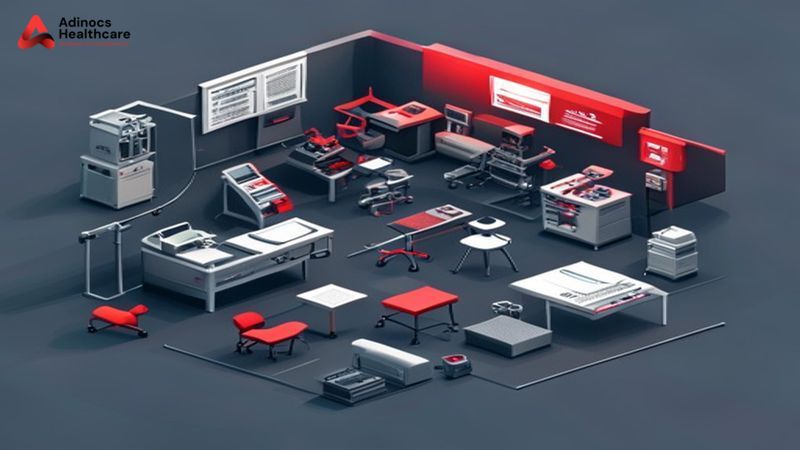
Establishing a diagnostic center in East India demands a rigorous, strategic approach to infrastructure and equipment procurement. Whether you are launching a facility in the established medical hubs of Kolkata, the expanding townships of Siliguri, or the emerging healthcare corridors of Bhubaneswar, your diagnostic center equipment checklist determines both the standard of clinical care and the long term profitability of your enterprise. As the healthcare landscape in West Bengal, Odisha, and Bihar undergoes rapid modernization, hospital administrators and lab owners must prioritize operational efficiency and seamless technological integration over simple procurement.
Essential Equipment for Radiology and Pathology Labs
A high performing diagnostic center serves as the foundation of local medical care. To build a facility that maintains a competitive edge, you must curate a precise mix of pathology and radiology assets. For a standard mid sized lab in India, investment should prioritize reliability and patient throughput. In the pathology department, ensure you have fully automated biochemistry analyzers, hematology cell counters, and high quality centrifuges. These assets handle the bulk of your daily workload and directly dictate your turnaround time for patient reports.
Radiology procurement requires a more nuanced evaluation of local disease burdens and patient demographics. A center in a tier two city in West Bengal might prioritize high frequency X-ray machines and basic ultrasound units, whereas a flagship facility in Kolkata may require advanced 1.5T MRI machines or CT scanners. Essential radiology equipment includes:
- High Frequency X-ray Systems: Prioritize digital radiography (DR) capabilities to minimize image processing time and enhance diagnostic clarity.
- Ultrasound and Color Doppler: Critical for maternal healthcare and general abdominal diagnostics. Ensure probes are compatible with diverse patient body types.
- Pathology Analyzers: Invest in modular biochemistry analyzers that allow for scalability as your patient volume increases.
- Cold Chain Infrastructure: Given the humidity and temperature fluctuations in East India, high quality refrigerators and deep freezers for reagent storage are non negotiable.
The total cost of setting up a diagnostic lab in India varies significantly based on whether you opt for entry level or premium models. A balanced financial strategy involves purchasing high precision analyzers while selecting cost effective, durable imaging hardware for basic services.
Navigating Procurement: Local vs. National Suppliers in East India
When evaluating radiology equipment suppliers in West Bengal and surrounding regions, you must weigh the benefits of local distributors against large national vendors. Local suppliers offer the advantage of proximity. If an X-ray machine malfunctions, a local technician based in Kolkata can often reach your facility within hours, whereas a national supplier may require days to dispatch an engineer from a distant hub.
However, national suppliers provide standardized service level agreements (SLAs) and easier access to proprietary spare parts. To optimize your procurement process, follow these steps:
- Verify Regional Presence: Request a list of existing clients within a 100 kilometer radius. Conduct site visits to observe the equipment in a live clinical environment.
- Check Spare Parts Stocking: Confirm where the supplier stocks critical components. Reliance on overseas shipping for routine repairs will lead to unacceptable downtime.
- Compare Documentation Support: Your supplier must assist with AERB (Atomic Energy Regulatory Board) registrations. This is a critical regulatory hurdle requiring specific documentation from the manufacturer.
- Negotiate AMC Terms: Finalize Annual Maintenance Contracts (AMC) during the procurement phase to ensure long term support coverage.
By balancing the responsiveness of local vendors with the structural reliability of national brands, you create a resilient supply chain for your diagnostic business.
Balancing Budget: New vs. Refurbished Equipment for ROI
The capital expenditure for a new diagnostic facility is significant, leading many entrepreneurs to consider refurbished equipment. In the Indian market, refurbished machines can reduce initial costs by 30 percent to 50 percent. However, this path requires rigorous due diligence. For essential high usage items like biochemistry analyzers, purchasing new units is recommended to ensure maximum uptime and manufacturer support.
For radiology equipment, such as CT scanners or MRI units, refurbished models can be a viable strategy if sourced from certified vendors providing comprehensive warranties. Before finalizing, consider these ROI factors:
- Manufacturer Support: Ensure the manufacturer still produces parts for the model. Obsolete equipment poses a severe risk to your operations.
- Installation and Calibration: A refurbished machine is only as reliable as its installation. Ensure the vendor includes professional calibration as a contractual obligation.
- Total Cost of Ownership: Calculate the cost of the machine plus projected repair expenses over five years. A lower upfront cost for refurbished hardware may be eclipsed by high maintenance fees.
If you require professional guidance on selecting equipment that aligns with your business model, explore our Adinocs Healthcare solutions, designed to bridge the gap between clinical requirements and budgetary constraints.
Integration: Connecting Equipment with LIMS and Teleradiology
Modern diagnostic centers in East India are shifting toward digital transformation. To compete with established chains, your equipment must be integrated with a Laboratory Information Management System (LIMS). This allows your analyzers to automatically push data to the software, eliminating manual entry errors.
Teleradiology is a transformative tool for centers in rural or semi urban areas. By implementing a digital imaging system, you can transmit X-ray or CT scans to expert radiologists in major cities for immediate reporting. This allows you to offer high level diagnostic services without requiring a senior radiologist on site 24/7. Key integration steps include:
- DICOM Compatibility: Ensure every imaging device is DICOM compliant to facilitate seamless image sharing across systems.
- Cloud Connectivity: Select a LIMS provider that offers cloud based access, enabling you to monitor lab performance remotely.
- Patient Portals: Modern patients expect digital reports. Ensure your software integrates with communication APIs to deliver reports via WhatsApp or email automatically upon approval.
Maintenance and After-Sales Support in West Bengal
Maintenance is the most critical aspect of diagnostic center management. In West Bengal, high humidity levels can damage sensitive electronic components. Without a proactive maintenance strategy, you risk frequent equipment failures during the monsoon season, leading to lost revenue and compromised patient care.
To ensure equipment longevity, implement a strict maintenance schedule:
- Stabilized Power Supply: Invest in high capacity online UPS systems and voltage stabilizers. Inconsistent power is the leading cause of motherboard failure in Indian diagnostic facilities.
- Preventive Maintenance (PM) Visits: Do not wait for a failure to call for support. Schedule quarterly PM visits for deep cleaning, calibration checks, and software updates.
- Staff Training: Train your technicians on basic troubleshooting. Resolving minor error codes internally saves hours of operational downtime.
- Logbook Maintenance: Maintain a detailed logbook for every machine, recording usage hours and maintenance dates. This is vital for NABL audit trails.
By investing in a robust maintenance culture, you protect your assets and ensure that your patients receive accurate, timely results.
Key Takeaways
- Prioritize essential analyzers like biochemistry and hematology to ensure consistent cash flow and high patient volume.
- Verify the regional presence and spare parts availability of equipment suppliers before finalizing any purchase.
- Consider refurbished equipment only for high cost imaging machines and exclusively through certified, reputable vendors.
- Embrace digital integration; LIMS and teleradiology are essential requirements for scaling your diagnostic business.
- Protect your investment from environmental factors like humidity and power fluctuations through robust stabilizers and a strict maintenance schedule.
Frequently Asked Questions
What is the minimum budget required to set up a small diagnostic center in India?
While costs vary based on location and equipment, a small pathology and basic radiology center can be established with an investment ranging from 15 lakhs to 40 lakhs INR. This covers basic analyzers, X-ray equipment, and initial interior fit outs.
Is it mandatory to have NABL accreditation from the start?
NABL accreditation is not legally mandatory, but it is highly recommended to build trust and attract corporate or government tie ups. It signifies that your lab meets international standards for quality and accuracy.
How do I ensure my radiology equipment meets government regulations in West Bengal?
You must obtain a license from the AERB for any radiation emitting equipment. This involves submitting site plans, safety protocols, and proof of qualified personnel. Working with experienced suppliers who understand regional compliance is the most efficient way to secure these permits.
How often should I calibrate my laboratory equipment?
Laboratory equipment should be calibrated according to manufacturer guidelines, typically every six months or following any major repair. A strict calibration schedule is a core requirement for quality assurance and patient safety.
Successfully running a diagnostic center requires a blend of technical knowledge and business acumen. By carefully selecting your equipment and focusing on long term reliability, you position your facility to become a trusted healthcare provider in your community. At Adinocs Healthcare, we specialize in providing the technical infrastructure and support needed to ensure your diagnostic center operates at peak performance, allowing you to focus on providing excellent patient care.