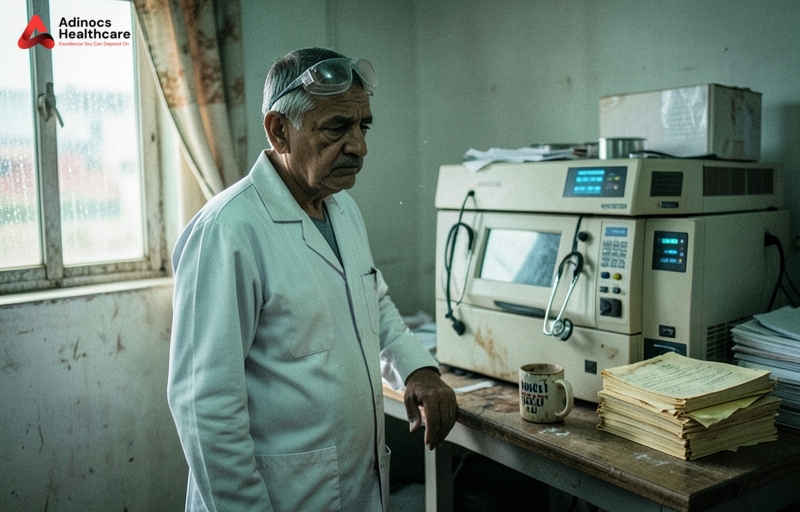
Most diagnostic centres in India are currently burning through 15% more electricity and water than they actually need. If you run a diagnostic centre in India, you already know that your utility bills are a hidden tax on your margins. It is not just about being eco-friendly. It is about stopping the silent drain on your bottom line. As we move through 2026, the conversation around green compliance Indian labs is shifting from a corporate social responsibility talking point to a survival metric for small to mid-sized facilities.
The short answer: Green compliance for Indian labs is the adoption of energy-efficient hardware, strict biomedical waste protocols, and digital-first record-keeping (like LIMS) to reduce operational overhead and meet 2026 NABL/NABH environmental standards. It is a financial strategy. One that lowers utility costs while ensuring you meet the evolving benchmarks set by national accreditation bodies.
What Exactly is Green Compliance for Indian Labs?
A 40-bed hospital in Siliguri recently audited their waste disposal and energy usage. They found that 22% of their monthly electricity bill was tied to outdated cooling systems for their imaging suite and unmanaged lighting in vacant diagnostic rooms. They didn't need a massive investment to fix it. They needed a strategy. In the Indian context, green compliance isn't about installing solar panels on your roof immediately. It is about the systematic reduction of your environmental footprint. This involves three specific areas:- Biomedical Waste Management: Strict adherence to the Bio-Medical Waste Management Rules (as amended in 2018/2019) to avoid heavy penalties. This means zero mixing of general and hazardous waste.
- Resource Optimization: Reducing the consumption of water and power in high-load areas like pathology and radiology. For example, switching to LED lighting can cut lighting costs by 40%.
- Digital Transformation: Moving away from physical film and paper reports. This is a major contributor to diagnostic waste.
Why is Green Compliance for Indian Labs a Financial Necessity in 2026?
I spoke with a lab owner in Bhubaneshwar last month who was frustrated. His reagent costs were climbing. His margins were shrinking. He didn't realize that his inefficient sample storage was leading to higher cooling costs and frequent reagent spoilage. Why does this matter in 2026? The cost of doing business is rising. According to the NITI Aayog, the focus on sustainable healthcare is becoming a benchmark for public-private partnerships. If you want to participate in government-backed health schemes or insurance panels, your operational efficiency is being scrutinized. Not just your clinical accuracy. Beyond the regulatory pressure, there is the "efficiency tax." When your lab isn't optimized:- Your equipment works harder. This leads to more frequent breakdowns.
- You spend more on AMC (Annual Maintenance Contracts) because your hardware is under excessive thermal stress.
- Your staff productivity drops due to poor environmental controls. Think too hot, too loud, or poorly lit workspaces.
How Does Green Compliance Affect NABL/NABH Accreditation?
A diagnostic centre in Ranchi was once denied a higher grading during their NABL audit. Why? It wasn't their testing accuracy. It was their documentation of biomedical waste segregation and the lack of a clear environmental impact policy. The NABL and NABH have been quietly updating their standards to include more stringent requirements for facility management. When you pursue accreditation, the auditors are no longer just looking at your clinical reports. They are looking at:- Your compliance with the CDSCO Medical Devices Rules regarding the safe disposal of old or condemned equipment.
- How you manage the chemicals and reagents that enter the water supply.
- The energy efficiency rating of your diagnostic imaging and laboratory hardware.
What are the Best Green Strategies for Green Compliance in Indian Labs?
A pathology chain in Coimbatore recently cut their paper spend by 80% by switching to a cloud-based LIMS. They stopped printing thousands of pages of reports and shifted to WhatsApp and email delivery. The result? A direct increase in their monthly net profit. Many labs still rely on traditional, high-waste methods. Forward-thinking labs are switching to leaner, digital-first models.| Area | Traditional Method (High Waste) | Green Practice (Optimized) |
|---|---|---|
| Reporting | Physical paper/film printing | Cloud-based digital reports/ABDM integration |
| Energy | Standard AC units, 24/7 lighting | Inverter-based ACs, motion-sensor lighting |
| Waste | Mixed disposal, high plastic use | Strict segregation, reusable sample containers |
| Data | On-site server rooms (high cooling) | Secure cloud hosting (reduced energy) |
How to Calculate the ROI of Sustainable Lab Operations?
How do you know if these changes are working? A lab owner in Indore tried to switch to energy-efficient lighting but didn't track his electricity bills. Six months later, he had no idea if the investment paid off. You must measure to manage. Here is how you calculate the ROI of your green initiatives:- Baseline Audit: Take your electricity and water bills for the last 12 months. This is your "before" number.
- Operational Cost Tracking: Monitor your monthly reagent waste and paper/film printing costs.
- The 6-Month Review: Compare your new bills against your baseline.
Key Takeaways
- Green compliance is a financial strategy: It reduces operational costs and helps you avoid regulatory fines.
- Accreditation is changing: NABL and NABH are increasingly scrutinizing environmental waste and facility management.
- Digital is greener: Moving to cloud-based LIMS and teleradiology reduces physical waste and energy consumption significantly.
- Start small: You do not need a complete overhaul. Begin by digitizing reports and optimizing energy use in your imaging and storage areas.
Frequently Asked Questions
Do I need green compliance for NABL accreditation in 2026?
While there isn't a single "Green Law," NABL and NABH have integrated environmental management into their standards. Failure to document waste segregation and energy efficiency can lead to lower grading or audit failure.What is the average cost to make a small lab green compliant in India?
Costs vary. However, transitioning to digital reporting via a LIMS or installing motion-sensor lighting often costs less than Rs. 1 lakh upfront and typically pays for itself within 6 to 12 months through reduced utility and stationery bills.Which green certifications are best for small diagnostic centres in Tier 2 cities?
Focus on NABL's environmental standards first. Following the Bio-Medical Waste Management Rules (2016/2019) is the baseline. From there, pursuing an ISO 14001 (Environmental Management System) certification can give you a competitive edge in government tenders.How can Adibix LIMS help reduce lab waste?
Adibix eliminates the need for paper-based reporting and physical filing. By moving your entire workflow to the cloud, you reduce the energy needed for on-site servers and eliminate the cost and waste of printing thousands of reports. If you are ready to reduce your operational overhead and streamline your lab, book a free demo of Adibix LIMS today. Talk to our team at Adinocs Healthcare. We provide the tools you need to build a smarter, more sustainable diagnostic centre.Data sources: NITI Aayog, NABL India, CDSCO Medical Devices Rules, and internal operational benchmarks from 2026 industry field studies.