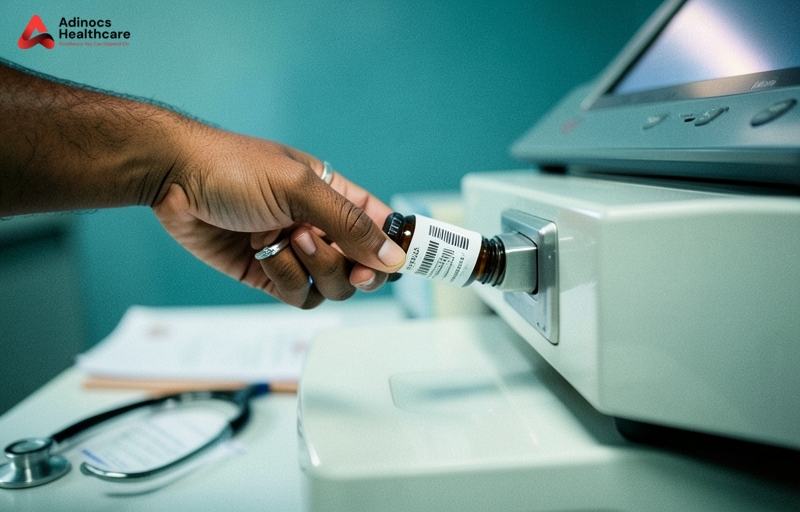
Can digital patient engagement India strategies boost your diagnostic lab's bottom line? Yes, by up to 30%. According to a 2025 Indian diagnostic market report, local labs lose up to 30% of their repeat business simply because they treat patients as one-off transactions. They walk in, get their blood drawn, receive a WhatsApp PDF, and disappear forever. If you run a diagnostic lab, you know this leak is expensive. Acquiring a new patient costs five times more than retaining an existing one. That is where a structured approach to digital patient engagement India plugs the leak.
The short answer: Yes, implementing digital patient engagement India strategies can boost lab revenue by 20% to 30% through automated repeat bookings, reduced drop-outs, and faster report delivery. By transforming your lab from a transactional testing site to a continuous digital health partner, you plug leakages that cost Indian diagnostic centres lakhs of rupees annually.
What is Digital Patient Engagement India for Pathology Labs?
A pathology lab in Siliguri with 3 collection centers was struggling with empty morning slots. They had top-tier equipment but zero patient flow after 11 AM. Why? Because they relied entirely on manual phone calls to remind chronic patients of their quarterly HbA1c tests. The reception staff was busy handling walk-ins and billing. The reminder calls simply did not happen. Every time. This is a classic operational bottleneck that automated patient communication solves. It is not about sending spammy promotional SMS messages. It is about creating a structured, automated system that guides a patient from their initial symptom search to their final report delivery and subsequent follow-up.
In the Indian context, this is often referred to as building a digital front door healthcare India strategy. This means patients can book home collections, track sample processing, view interactive smart reports, and schedule follow-ups through a single, continuous digital channel. According to the National Health Authority (NHA), over 30 crore citizens have created their Ayushman Bharat Health Account (ABHA) as of 2025. This massive shift means patients now expect their health records to be digitally accessible instantly. If your lab is still printing paper receipts and manual reports, you are falling behind your competitors in Tier 2 and Tier 3 cities.
Digital engagement is the glue that connects your Laboratory Information Management System (LIMS) directly to the patient's smartphone. It is about convenience. Speed matters. Most importantly, it keeps your lab top-of-mind when the patient next needs a diagnostic test.
How Does Digital Patient Engagement India Drive Revenue Growth?
A lab network in Pune with 12 branches implemented automated, personalized health reminders for diabetic patients. Within six months, their repeat test bookings increased by 24%. This is how you achieve sustainable diagnostic lab revenue growth India. Forget massive marketing budgets. Just activate your existing database. Most chronic patients do not avoid tests because they want to; they simply forget. When you automate your patient communication platforms India, you remove the friction of memory.
Here's the catch. Most diagnostic lab owners believe they need to spend heavily on local newspaper ads or SEO to get new walk-ins to grow revenue. This is a costly mistake. Your highest-margin revenue is already sitting in your existing database. A patient who already trusted you for a basic lipid profile is 70% more likely to book a preventive health package if you nudge them at the right time with the right message. This forms the core of effective patient retention strategies India.
Selecting the wrong software vendor can derail this entirely. As we discussed in our guide on Why Poor Vendor Selection Costs Indian Hospitals Millions, picking cheap, non-scalable tools leads to fragmented workflows and lost revenue. To understand the financial impact, let us compare a traditional lab's performance against a digitally engaged lab:
| Operational Metric | Traditional Lab Model | Digitally Engaged Lab Model | Revenue Impact (Est. INR) |
|---|---|---|---|
| Patient Retention Rate | 15% to 20% | 45% to 55% | Saves Rs. 1.2 lakh per 1,000 patients |
| Home Collection Booking Cost | Manual (Rs. 80 per booking) | Automated (Rs. 5 per booking) | Saves Rs. 75,000 annually |
| Report Turnaround Time (TAT) | 12 to 24 hours (Printed/Email) | 2 to 4 hours (WhatsApp/App) | Attracts 20% more premium urgent bookings |
| Preventive Package Upsell | Less than 2% | 8% to 12% (via smart reports) | Increases average ticket size by Rs. 450 |
Plot twist: Digital engagement actually reduces your operational costs while driving this revenue. Not anymore. When patients book online and receive reports via automated WhatsApp APIs, your front-desk staff spends less time on administrative phone calls. They can focus on providing a better in-person experience, which further boosts patient satisfaction and loyalty.
Which Digital Tools Improve Lab Efficiency & Patient Flow?
A busy diagnostic centre in Kolkata processing 800 samples daily reduced front-desk phone calls by 45% by deploying a simple self-service booking portal. The staff, previously overwhelmed by answering "Is my report ready?", redirected their energy to upselling health packages to walk-in patients. Is your front-desk staff spending hours answering basic status queries? This shows that digital engagement is not just a marketing tool. It is an operational efficiency tool. When you streamline patient flow, you reduce the physical bottlenecks in your waiting room. This is particularly crucial during morning peak hours when home collection requests and walk-ins peak simultaneously.
The first tool you need is interactive smart reports. Instead of a flat PDF with numbers, a smart report shows trends over time. If a patient's creatinine is slowly rising over three years, a visual graph warns them. This visual feedback prompts them to book a nephrologist, who then refers them back to your lab. It is a virtuous cycle. It builds trust because you are helping them visualize their health journey, not just giving them a sheet of numbers they cannot interpret.
To handle this increased volume without bottlenecking your operations, your backend systems must be highly optimized. At Adinocs Healthcare, we help labs and hospitals streamline their diagnostic workflows, ensuring that high patient volumes translate to smooth operations rather than administrative chaos. By integrating teleradiology and smart reporting, we help you deliver faster turnaround times, which is the ultimate driver of patient satisfaction.
The second tool is automated WhatsApp and SMS engines. In India, WhatsApp has over 500 million active users. It is the default communication channel. Sending automated, interactive messages (like "Click here to book your follow-up") yields a response rate that is ten times higher than traditional email. However, you must use official business APIs to ensure you do not get your number blocked for spamming.
How to Implement Digital Engagement Platforms Effectively?
How do you actually roll this out without disrupting your daily operations? A 50-bed hospital in Patna achieved a 35% increase in outpatient diagnostic revenue by following a phased implementation approach. They did not try to launch a mobile app, a patient portal, and WhatsApp bots all in one week. They took it step by step. If you try to do everything at once, your staff will rebel, and your patients will get confused.
Here is a step-by-step implementation roadmap that works for Indian labs:
- Audit your current patient journey: Find out where the drop-offs happen. Do patients leave your website because the booking form is too long? Does your reception desk forget to ask for the patient's WhatsApp number? Fix these basic gaps first.
- Integrate your LIMS with communication APIs: Do not rely on manual copy-paste methods. Your LIMS must automatically trigger a WhatsApp message the moment a report is signed off by the pathologist. This reduces report delivery delay to zero.
- Train your front-desk and phlebotomists: They are your primary onboarding agents. If your phlebotomist does not explain how the smart report works during home collection, the patient will likely ignore the digital link when it arrives.
- Implement a phased rollout: Start with automated report delivery. Once that is stable, introduce automated follow-up reminders for chronic patients. Finally, launch interactive smart reports and self-service booking portals.
As you roll out these systems, remember that compliance standards are tightening. Our analysis of the 5 IVD Regulatory Challenges for Indian Labs in 2026 highlights how diagnostic software must comply with evolving Indian standards to avoid heavy penalties. Choosing the right technology partners who understand these regulatory shifts is critical to your long-term survival.
What are the Compliance Needs for Digital Patient Data?
A diagnostic lab in Asansol recently faced a severe legal notice because a staff member accidentally sent a patient's HIV report to the wrong WhatsApp number. This is a nightmare scenario. In 2026, data privacy is no longer a theoretical concern in India. With the active enforcement of the Digital Personal Data Protection (DPDP) Act, labs face massive financial penalties of up to Rs. 250 crore for data breaches. You can no longer afford to handle patient data carelessly.
According to the National Accreditation Board for Testing and Calibration Laboratories (NABL) guidelines, labs must maintain strict data integrity and confidentiality. This means your digital patient engagement tools must be fully secure. You cannot use unauthorized personal WhatsApp accounts to send medical reports. You must use secure, encrypted communication channels that verify the identity of the recipient before displaying sensitive medical data.
If you are using third-party software for patient communication, you are legally responsible for their data security. Learn more about protecting your facility in our guide on How to Secure Patient Data with Third-Party Vendors?. Make sure your vendor agreements include clear data processing terms that align with the DPDP Act requirements.
The trade-off here is convenience versus security. Worth knowing. While patients want easy access to their reports, you must implement basic security measures like one-time passwords (OTPs) before they can download sensitive health files. It might add one extra step for the patient, but it protects your lab from catastrophic legal and reputational damage.
Action Plan for Indian Lab Owners
A single-center lab in Nagpur turned their business around in 90 days by focusing on just three high-impact actions. They didn't buy expensive software; they simply optimized their existing patient database. Here is the exact action plan they used, which you can implement starting tomorrow:
- Audit your database today: Segment your patients into chronic (diabetes, thyroid, hypertension) and acute categories. Chronic patients are your primary target for automated digital reminders.
- Switch to official WhatsApp Business APIs: Stop sending reports from individual staff mobile phones. Use a centralized, compliant API that integrates directly with your LIMS.
- Train your staff on data privacy: Ensure every team member understands the basic requirements of the DPDP Act. Never share patient reports without explicit consent.
- Implement smart, visual reporting: Move away from static PDFs. Give your patients interactive reports that show their health trends over time to drive repeat bookings.
Frequently Asked Questions
Does digital patient engagement India work for Tier 2 labs?
Yes, absolutely. In fact, labs in Tier 2 and Tier 3 cities like Jhansi or Salem often see a 35% higher percentage growth in revenue because these markets are underserved. Patients in these regions highly value the convenience of not having to travel long distances twice (once for sample collection and once to collect physical reports). Since WhatsApp usage is nearly universal across India, digital engagement through this channel requires zero technical learning curve for patients in smaller towns.
How much does a digital patient communication platform cost for an Indian lab?
The cost varies based on the size of your operations, but it is highly scalable. Basic WhatsApp API integration and automated SMS systems can start from as low as Rs. 5,000 to Rs. 10,000 per month. Compared to the cost of printing and physical report delivery (which typically costs Rs. 15 to Rs. 30 per patient), a digital platform usually pays for itself within the first three months of deployment by reducing paper and courier costs.
Is sending patient reports on WhatsApp legal under DPDP Act India?
Yes, but only if you use official business APIs and secure delivery methods. Sending a direct PDF file via a personal WhatsApp number is risky and may violate the DPDP Act, which carries penalties up to Rs. 250 crore. The compliant way is to send a secure link via WhatsApp that requires the patient to verify their identity (such as entering an OTP or their year of birth) before downloading the report from a secure server.
How does digital patient engagement help with NABL audits?
Digital engagement platforms improve data traceability and patient feedback collection, which are critical components of NABL audits under ISO 15189:2022 standards. Automated systems log exactly when a report was sent and when it was accessed by the patient. This provides clear audit trails. Additionally, digital platforms allow you to automate the collection of patient satisfaction scores, helping you meet NABL quality management requirements effortlessly.
Conclusion
Digital patient engagement is no longer a luxury reserved for large national lab chains. It is a vital operational strategy for any independent lab or hospital diagnostic centre looking to survive and grow in 2026. By automating your patient touchpoints, you plug revenue leaks, improve operational efficiency, and build long-term patient loyalty. At Adinocs Healthcare, we specialize in helping Indian diagnostic facilities optimize their workflows from end to end. Whether you need to streamline your reporting with our sub-specialist teleradiology services or upgrade your overall workflow efficiency, we are here to help. Talk to our teleradiology and workflow optimization team at Adinocs Healthcare today to book a free workflow audit and discover how we can help you boost your lab's revenue.
Data sources: National Health Authority (NHA) ABDM progress reports (2025), National Accreditation Board for Testing and Calibration Laboratories (NABL) safety guidelines, and Indian diagnostic sector operational benchmarks (2025-2026).