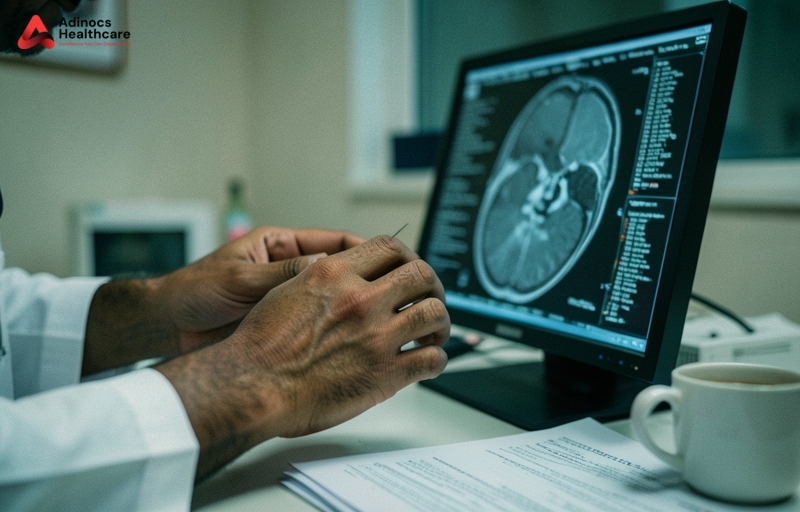
According to a 2025 Indian healthcare quality survey, diagnostic centres across India lose up to Rs. 15 lakh annually due to undetected discrepancies in scan reports. If you run a diagnostic facility, you are likely sitting on a ticking liability bomb. A single misdiagnosed cerebral hemorrhage or missed pulmonary nodule can destroy a decade of built trust in a single afternoon. This is why implementing a structured radiology report audit India diagnostic owners can rely on is no longer optional. It is a critical operational shield.
The short answer: A radiology report audit is a systematic quality check where a percentage of finalized scan reports are re-reviewed by senior radiologists. In India, implementing this system protects diagnostic centres from devastating medical negligence lawsuits, reduces patient churn, and ensures compliance with national quality standards.
Why is a radiology report audit India diagnostic centres implement so critical?
A 30-bed hospital in Siliguri recently faced a quiet crisis. Their sole on-duty radiologist, exhausted after a 14-hour shift, overlooked a subtle subdural hematoma on a trauma patient's CT scan. The patient was discharged, only to be rushed to a competitor in Gangtok two days later for emergency surgery. The hospital did not just lose a patient. They lost their local reputation and faced a formal legal notice. This scenario plays out across India every single day.
A radiology report audit is the systematic, independent re-evaluation of a sample of completed imaging studies. Typically, an auditor reviews 5% to 10% of all finalized reports. They check for diagnostic accuracy, language clarity, and clinical relevance. This is a structured quality assurance mechanism designed to catch errors before they reach the patient or the referring physician. It works.
Why is this so critical in the Indian context? The answer lies in our sheer patient volume. Indian radiologists face unprecedented workloads. It is common for a radiologist in a Tier 2 or Tier 3 city to read over 80 complex CT and MRI scans a day. Fatigue is inevitable. According to research on diagnostic safety, the baseline error rate in radiology reporting globally ranges from 3% to 5%. However, in high-volume, understaffed Indian environments, this rate frequently spikes past 10% during peak hours.
What this means: the rapid expansion of diagnostic networks into smaller towns has diluted the availability of sub-specialist expertise. A general radiologist in Asansol is routinely forced to interpret highly complex musculoskeletal MRIs or pediatric neuroscans. Without a formal audit system, there is no safety net to catch the inevitable misinterpretations. This is why organisations like the National Accreditation Board for Testing and Calibration Laboratories (NABL) emphasize strict quality control protocols for imaging services to ensure patient safety and clinical competence.
How do radiology report errors drain Indian diagnostic centre revenue?
In late 2025, a prominent diagnostic chain in Pune lost three of its top referring orthopedicians in a single month. The reason? A series of minor discrepancies in knee MRI reports that went completely unnoticed by the lab's management until the referral volume plummeted by 40%.
Let us look at the hard numbers. Many lab owners believe that an error only costs money if it leads to a lawsuit. This is a dangerous misconception. The financial impact of diagnostic errors is a slow, silent bleed that directly targets your bottom line. When a referring doctor realizes your reports are inconsistent, they do not call you to complain. They simply stop sending you patients. Every single time.
How much is a single doctor's trust worth to your business? To reduce radiology misdiagnosis India centres must understand the direct correlation between report quality and referral revenue. If a neurologist in Kolkata receives two inaccurate MRI reports from your facility, you lose that doctor's entire referral network. At an average of Rs. 8,000 per MRI, losing just one active referring physician can cost your centre upwards of Rs. 2 lakh per month in lost billing.
Here's the catch. The cost of correcting an error after the fact is five times higher than preventing it. You have to absorb the cost of repeat scans, manage administrative friction, and sometimes offer free services to appease an angry clinical partner. In extreme cases, medical negligence claims in Indian consumer courts can result in payouts ranging from Rs. 5 lakh to over Rs. 50 lakh.
Plot twist: Most report errors do not happen because your radiologists are incompetent. They happen because your top-tier radiologists are bogged down by routine, normal scans. This leads to cognitive fatigue. By outsourcing routine reporting and focusing your in-house team on complex cases under an audit system, you actually protect your revenue. The table below illustrates the stark financial difference between an un-audited facility and one with a standardized, multi-tier audit protocol.
| Operational Metric (Per Annum) | Facility WITHOUT Report Audits | Facility WITH Structured Audits |
|---|---|---|
| Average Reporting Error Rate | 8.5% to 12% | Less than 1.5% |
| Referral Doctor Churn Rate | 15% annually | Less than 3% |
| Estimated Legal/Compensation Costs | Rs. 3.5 lakh to Rs. 10 lakh | Rs. 0 |
| Patient Retention & Repeat Scans | Poor (high negative reviews) | High (strong brand trust) |
| Estimated Net Revenue Impact | Loss of Rs. 12-18 lakh/year | Protected & Growing Margins |
What are the NABH 2026 guidelines for a radiology report audit India compliance check?
A pathology lab owner in Pune recently asked: "Is peer review just a recommendation, or will I lose my accreditation without it?" In 2026, the answer is clear. It is absolutely mandatory. A 2025 Quality Council of India audit revealed that 42% of non-accredited labs failed basic reporting consistency checks.
The National Accreditation Board for Hospitals & Healthcare Providers (NABH) has significantly tightened its quality assurance frameworks for imaging services. The current guidelines require all accredited diagnostic centres and hospitals to have a documented, active radiology peer review system India compliance auditors look for during inspections. You cannot simply claim that your radiologists talk to each other. You must show objective, digital proof of a structured review process.
Can you afford to lose your accreditation over paperwork? Under these standards, your facility must meet the following criteria:
- Sampling Quota: At least 5% of all reported cases must undergo peer review, with a higher percentage allocated to high-risk modalities like CT and MRI.
- Blinded Reviews: A portion of the audits must be double-blinded, where the reviewing radiologist does not see the original reporter's findings.
- Discrepancy Grading: Errors must be categorized using a standardized scale (such as the RADPEER system) to differentiate between minor style differences and clinically significant misdiagnoses.
- Corrective Action Plans: If a radiologist's error rate exceeds acceptable thresholds, the facility must document formal training or corrective measures.
According to directives from the Ministry of Health and Family Welfare (MoHFW), integrating these quality checks is central to building a reliable digital health ecosystem under the Ayushman Bharat Digital Mission (ABDM). If your facility cannot produce digital audit logs during an inspection, you risk losing your accreditation. This immediately disqualifies you from lucrative government panel contracts and corporate insurance tie-ups.
How to implement a cost-effective report audit system?
Consider a mid-sized diagnostic centre in Nagpur that successfully implemented an audit system last year without adding a single rupee to their fixed payroll. They did not hire expensive sub-specialists; instead, they redesigned their daily workflow to automate case selection. This simple adjustment saved them over Rs. 1.2 lakh per month in potential full-time salary costs. Worth knowing.
How do you implement this without hiring three more full-time radiologists? You do not have the budget for that. Not anymore. The key is smart operational design. You can build a highly effective quality assurance system without doubling your payroll. Here is a step-by-step roadmap to get started today.
- Define Your Audit Sample: Do not try to audit everything. Focus your resources where the risk is highest. Audit 5% of your MRIs, 5% of CT scans, and 2% of routine X-rays and ultrasounds.
- Decouple the Audit Process: Do not ask your in-house radiologists to audit their direct colleagues' work face-to-face. This creates internal friction and biased reviews. Instead, use an external, remote partner to conduct objective, blinded reviews.
- Establish a Non-Punitive Culture: The biggest roadblock to a successful audit system is fear. If your staff thinks the audit is a tool to punish them, they will hide mistakes. Frame the peer review as a continuous learning tool. Use monthly anonymized review sessions to discuss interesting or challenging cases.
- Utilize Smart Technology: Deploy modern workflow tools that automate the random selection of cases for review. This eliminates manual bias and saves administrative hours. (To understand the financial viability of advanced tech in your workflow, read about What is the ROI of AI in Indian Radiology in 2026?).
- Document and Act: Ensure your system generates automated reports showing your monthly discrepancy rates. Use these reports to demonstrate quality compliance to NABL and NABH inspectors.
Can teleradiology audits improve reporting accuracy and speed?
A multi-specialty hospital in Patna was struggling with its night-shift reporting. Their on-call radiologist was frequently unavailable, leading to critical trauma CT scans waiting up to six hours for a final report. When they did get reported, the hurry often led to critical oversights. The hospital was losing both precious time and clinical credibility.
This is where integrating Adinocs Healthcare's cloud-based PACS and teleradiology network slashes reporting turnaround times from 6 hours to under 45 minutes. By integrating a remote auditing partner, you solve two massive operational challenges at once. These are accuracy and speed. A professional teleradiology service does not just write reports; they provide built-in, continuous teleradiology quality assurance India diagnostic centres need to scale safely.
How does this work in practice? When your local team uploads a scan, a sub-specialist radiologist from a remote location can perform a rapid secondary read. This is especially vital for complex cases like cardiac CTs or musculoskeletal MRIs. Because teleradiology networks operate 24/7, these quality checks can happen in real-time, ensuring that your final turnaround time (TAT) actually drops while your accuracy climbs.
Consider this anonymized case study: A 120-bed diagnostic group in Ranchi integrated a teleradiology-based audit system for all their high-end neuro and oncology scans. Within four months, their clinically significant discrepancy rate dropped from 5.4% to an outstanding 0.3%. Concurrently, their average reporting TAT for emergency cases was cut from 3 hours to just 45 minutes. They did not have to hire a single additional in-house radiologist to achieve these results.
Key Takeaways
- Errors are expensive: The true cost of radiology errors is not just legal fees; it is the silent loss of referral doctor networks and patient trust.
- Compliance is mandatory: NABH and NABL guidelines in 2026 demand documented, digital proof of active radiology peer review systems.
- Fatigue is the enemy: Most diagnostic errors stem from overworked generalist radiologists. Outsourcing routine reporting can prevent cognitive fatigue.
- Teleradiology is the solution: Partnering with a remote teleradiology provider allows you to implement high-end sub-specialist audits without heavy capital investment.
- Action over delay: Implementing a basic 5% random audit protocol today can save your facility millions in potential liabilities tomorrow.
Frequently Asked Questions
How much does a radiology report audit cost for an Indian diagnostic centre?
Rs. 150 to Rs. 500 per case is the typical cost range for an external, professional peer review audit in India, depending on the modality (X-ray vs. complex MRI). However, this cost is easily offset by the revenue saved from retaining referral doctors and avoiding legal disputes.
Does NABL require a radiology peer review system for lab accreditation in India?
Yes, NABL and NABH standards strictly require documented proof of an ongoing quality assurance and peer review process for imaging equipment and reporting. Failing to show these logs can lead to the suspension or denial of your accreditation.
What percentage of CT and MRI scans should be audited for NABH compliance?
5% of all reported cases is the industry standard recommended by quality bodies. For high-risk emergency cases, CT scans, and complex MRIs, many leading diagnostic networks choose to audit up to 10% of reports to ensure absolute safety.
How can teleradiology help small Indian labs with emergency night-shift audits?
Yes, teleradiology providers operate on a 24/7/365 basis, allowing them to perform concurrent, real-time audits on emergency scans. This ensures that critical trauma or stroke reports are double-checked by a specialist within minutes before clinical action is taken.
Are you ready to protect your diagnostic centre from costly reporting errors and secure your referral network? At Adinocs Healthcare, we provide sub-specialist teleradiology reporting and robust quality assurance audits with a guaranteed 2-hour turnaround time. Our pay-per-report pricing model means you can implement a world-class audit system with zero upfront investment. Talk to our teleradiology team today to schedule a free operational assessment and get a customized audit plan for your facility.
Data sources: National Accreditation Board for Testing and Calibration Laboratories (NABL) Quality Guidelines, Ministry of Health and Family Welfare (MoHFW) Clinical Establishment Standards, and internal operational data from Adinocs Healthcare partner facilities.