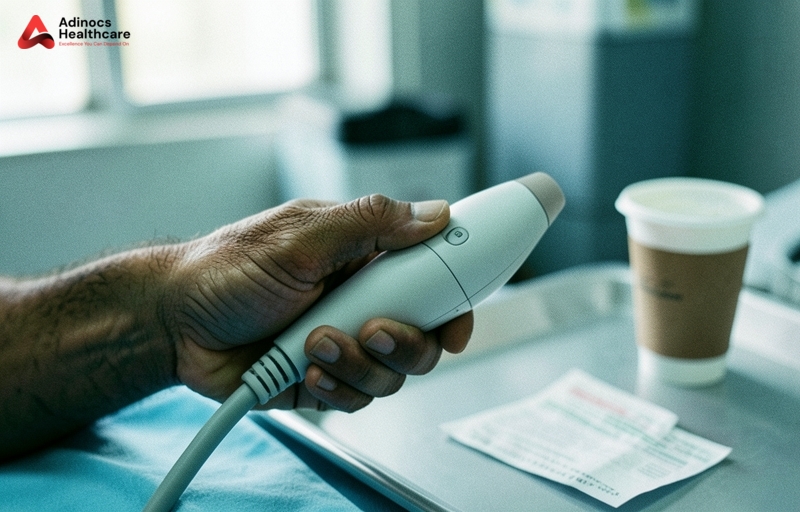
Almost 60% of diagnostic centres in Tier 2 and Tier 3 Indian cities rely on imported, pre-owned medical equipment to keep their capital expenditure under control, according to a 2025 Association of Indian Medical Device Industry (AiMeD) report. Yet, navigating the regulatory maze feels like aiming at a moving target. If you are planning to purchase pre-owned equipment this year, you must understand how the upcoming refurbished medical devices policy India 2026 will impact your procurement, compliance, and bottom line. The Indian government is currently restructuring the guidelines to balance affordable healthcare access with domestic manufacturing interests.
The short answer: Yes, the refurbished medical devices policy India 2026 is set to bring much-needed clarity by establishing standardized safety thresholds, clear import guidelines, and mandatory local servicing agreements. While it will simplify compliance for high-end equipment like MRIs, expect tighter restrictions on importing low-end, basic diagnostic tools.
How does the current regulatory landscape compare to the refurbished medical devices policy India 2026?
A 50-bed surgical hospital in Siliguri recently tried to import a pre-owned C-arm machine from Germany. The administrator thought they had everything in order. But the shipment was held at the Kolkata port for three weeks. Why? Because of conflicting circulars between the Ministry of Environment and the Central Drugs Standard Control Organisation (CDSCO). This is a nightmare scenario that plays out across India every single week. Every single time. Not a chance of avoiding it unless you know the rules inside out.
Currently, the regulatory framework is fragmented. The CDSCO Medical Devices Rules regulate medical devices under the Medical Devices Rules (MDR) 2017. However, importing refurbished equipment also triggers the Hazardous and Other Wastes (Management and Transboundary Movement) Rules, managed by the Ministry of Environment, Forest and Climate Change (MoEFCC). Why the double oversight? The government wants to prevent India from becoming a dumping ground for expired Western electronic waste. But this creates a massive bottleneck for healthcare providers.
Under the current medical equipment regulation India 2026, high-end equipment like CT scanners and MRI machines can be imported, but only if they meet strict conditions. They must have a residual life of at least five to seven years. They also require certification from a chartered engineer. A 2024 NABL report found that 45% of tier-2 labs faced audit delays due to undocumented equipment history. The CDSCO refurbished devices rules have historically been vague about who is responsible if a refurbished device fails. Is it the original equipment manufacturer (OEM)? Or is it the third-party refurbisher? This regulatory grey area has left many diagnostic centre owners hesitant to make critical purchases. They fear sudden customs seizures or compliance audits that could shut down their operations overnight.
Why did the MoHFW form a committee to draft the refurbished medical devices policy India 2026?
In January 2026, a major diagnostic chain in Patna halted its expansion plans because of regulatory confusion. They were stuck between buying a new Rs. 5 crore CT scanner or a certified refurbished one for Rs. 2.2 crore. This deadlock is exactly why the Ministry of Health and Family Welfare (MoHFW) set up a dedicated committee. What triggered this move? It was a growing, public clash between two powerful healthcare lobbies. On one side, the Association of Indian Medical Device Industry (AiMeD) argued that importing refurbished equipment hurts local manufacturers. They claimed it stalls the "Make in India" initiative. On the other side, hospital groups pointed out that domestic manufacturers do not yet produce high-end imaging equipment like 3T MRIs or linear accelerators. The trade-off is stark: protect local industry or save patient lives through affordable diagnostics. Worth knowing.
Without refurbished options, smaller hospitals in Tier 2 and Tier 3 cities simply cannot afford to offer advanced diagnostics. If a new MRI costs Rs. 6 crore, a refurbished one might cost Rs. 2.5 crore. That is a massive difference. According to the Ministry of Health and Family Welfare, over 70% of medical devices in India are still imported. The MoHFW committee refurbished medical devices was tasked with creating a balanced framework. The committee's goal is to draft a policy that protects local manufacturers of basic equipment (like syringes, monitors, and basic X-ray machines) while keeping the import channels open for high-end, refurbished diagnostic equipment.
What this means in practice: the committee is working to establish a clear distinction between cheap, unverified "used" equipment and high-quality "certified refurbished" systems. This distinction is crucial for hospital owners who want to scale their services without breaking the bank. The committee is also looking to mandate that refurbishers establish local service centres in India, ensuring that hospitals are not left stranded when a machine breaks down.
What are the key challenges and inconsistencies in current regulations?
A customs clearance agent at the Chennai port recently flagged a shipment of three refurbished ultrasound machines from Japan. The paperwork labeled them as "remanufactured," but the customs database only had categories for "used" or "new." The shipment sat in a humid warehouse for 18 days, racking up Rs. 1.2 lakh in demurrage charges. This highlights the biggest headache for Indian healthcare administrators: the lack of standardized terminology. What is the difference between "used," "second-hand," "remanufactured," and "refurbished"? To a customs officer at the Chennai port, they might all look like electronic waste. To a radiologist in Asansol, they represent the difference between a reliable diagnostic tool and a constant technical hazard. (And yes, this is the same problem your competitor in Malda is facing right now.)
Here's the catch. A simple "used" machine is sold "as-is" with no warranty, no calibration, and no safety checks. A truly "refurbished" machine is stripped down, worn parts are replaced, software is updated, and it is calibrated back to OEM specifications. Yet, current import guidelines often treat them under the same broad umbrella. This confusion directly affects your operational costs. For instance, if you purchase a refurbished CT scanner, you must ensure it can handle local power fluctuations. Unstable power can fry sensitive refurbished boards, costing you lakhs in repairs. If you want to dive deeper into how power issues affect your bottom line, read our guide on Why Unstable Power Costs Indian Diagnostic Labs Millions in 2026.
Let's look at how these categories compare under the current regulatory lens:
| Equipment Status | Regulatory Approval Status | Expected Lifespan | Average Cost Savings | Warranty & Support |
|---|---|---|---|---|
| Brand New | Fully approved (CDSCO/MDR) | 10-12 Years | 0% (Base Price) | Full OEM Warranty & AMC |
| OEM-Refurbished | Approved with strict certifications | 5-7 Years | 40% to 60% savings | 1-2 Year OEM Warranty |
| Third-Party Refurbished | Varies; requires local engineer sign-off | 3-5 Years | 50% to 70% savings | Dealer Warranty (usually 6 months) |
| Used / Second-Hand | Highly restricted import; high audit risk | Unpredictable | Up to 80% savings | None (As-is) |
When buying refurbished diagnostic equipment India, you cannot afford to guess which category your purchase falls into. The upcoming 2026 policy aims to mandate that all refurbished items must be classified under OEM-Refurbished or certified third-party refurbishing to legally enter the country. This will eliminate the grey-market dealers who sell uncalibrated machines to unsuspecting labs.
How can labs and hospitals ensure patient safety with refurbished equipment?
A pathology lab in Patna recently faced a compliance audit. They were using a refurbished biochemistry analyzer purchased from an unverified local dealer. During the audit, the inspectors found that the machine's calibration logs were inconsistent. The lab could not prove that the device met the strict accuracy guidelines required for NABL certification. The lab's accreditation was put on hold, causing a massive loss of local trust and revenue. Every single day, patients depend on these tests for critical medical decisions.
This highlights the critical link between procurement and patient safety refurbished medical devices India. Patient safety is not just an ethical obligation; it is a business survival metric. If your reports are inaccurate, your doctors will stop sending patients to you. It is that simple. To ensure safety and compliance, you must follow a strict quality assurance protocol. Here is a step-by-step checklist you should implement before signing any purchase order:
- Verify the Refurbishing Source: Only buy from OEMs or certified third-party refurbishers who follow ISO 13485 standards for medical devices.
- Demand Calibration Certificates: Ensure the device comes with a fresh calibration report mapped to international reference standards.
- Check the Software Version: Older software might not have the latest security patches, making your hospital network vulnerable to cyber threats.
- Inspect the Service History: Ask for the previous maintenance logs. If the machine has a history of board failures, walk away.
- Secure a Local Service Level Agreement (SLA): Make sure you have on-ground engineering support. A machine sitting idle for a week because of a missing spare part will cost you more than the initial savings.
Managing these lifecycles is a continuous process. For a comprehensive strategy on managing your hospital assets, check out our article on How Can Indian Hospitals Optimize Equipment Lifecycles?.
What are the financial implications of refurbished devices for Indian healthcare?
A 100-bed multi-specialty hospital in Midnapore achieved a 40% reduction in diagnostic setup costs by opting for an OEM-refurbished CT scanner instead of a brand-new unit, allowing them to break even in 18 months instead of 4 years. This is the power of smart capital allocation. For most Indian healthcare facilities, the biggest hurdle is cash flow. A brand-new premium ultrasound machine can cost upwards of Rs. 40 lakh. An OEM-refurbished equivalent might cost Rs. 18 lakh. This level of cost savings refurbished equipment India allows you to redirect capital toward hiring better medical staff, improving patient rooms, or expanding your diagnostic menu.
But you must look at the Total Cost of Ownership (TCO), not just the upfront price. Refurbished machines often consume more power than newer, energy-efficient models. Over five years, a highly inefficient refurbished MRI can eat up a significant portion of your initial savings in electricity bills. To learn how to mitigate these operational leaks, read our practical guide on 5 Ways to Cut Medical Equipment Electricity Costs in India.
The financial trade-off is clear. While you enjoy massive upfront savings, you must prepare for higher Annual Maintenance Contract (AMC) rates. Refurbished parts can be harder to source, leading to longer downtime if your vendor does not have a local inventory. Worth noting: many Indian banks are hesitant to finance pre-owned equipment. You might have to rely on specialized non-banking financial companies (NBFCs) or vendor financing, which often carries higher interest rates. Plot twist: some forward-thinking vendors now offer pay-per-use or subscription models, completely eliminating the need for large upfront capital expenditure.
Key Takeaways: Navigating the Refurbished Medical Devices Policy India 2026
Navigating the changing regulatory environment requires a proactive approach. As the government tightens the rules, here is how you can protect your facility and ensure compliance:
- Expect Tighter Import Audits: The refurbished medical devices policy India 2026 will make customs clearances more stringent. Do not buy any imported equipment unless the seller provides guaranteed customs clearance documentation and a certified engineer's report.
- Prioritize OEM-Refurbished Over Third-Party: While third-party options are cheaper, OEM-refurbished devices will have a much smoother regulatory path under the new CDSCO guidelines.
- Focus on Local Support: Never buy from a vendor that does not have an active service centre in your region. If you are in West Bengal or Bihar, ensure your vendor has local engineers who can reach you within hours, not days.
- Build Compliance into Your Contracts: Include a clause in your purchase agreement that allows you to return the equipment or withhold final payment if the device fails to meet local NABL or NABH standards during initial calibration.
Frequently Asked Questions About Refurbished Medical Devices in India
Is it legal to import refurbished medical devices to India in 2026?
Yes, it is legal to import refurbished medical devices, but only under strict CDSCO and MoEFCC guidelines. High-end imaging equipment like MRI and CT scanners can be imported with proper certifications, but low-end consumables and basic diagnostic devices are highly restricted to protect local manufacturing.
Does NABL allow the use of refurbished diagnostic equipment?
Yes, NABL does allow the use of refurbished equipment, provided the laboratory can produce valid calibration certificates and prove that the equipment meets required performance standards. Regular quality control checks must be documented to maintain accreditation.
How much can a 50-bed Indian hospital save by buying refurbished medical devices?
A 50-bed hospital can save between 40% and 60% on upfront capital expenditure. For example, while a new 1.5T MRI machine costs around Rs. 5.5 crore, a certified refurbished unit costs approximately Rs. 2.2 to 2.8 crore. However, you must factor in higher AMC rates (typically 8% to 12% of the purchase value) and potential power consumption differences to calculate the true long-term return on investment.
What is the CDSCO registration process for refurbished medical devices in India?
Under the current guidelines, importing refurbished medical devices requires an import license from the CDSCO via the Sugam portal. The importer must submit a Chartered Engineer Certificate verifying the device's residual life (minimum 5-7 years), an ISO 13485 certificate from the refurbishing facility, and clearance from the Ministry of Environment, Forest and Climate Change (MoEFCC) to ensure it is not classified as hazardous electronic waste.
At Adinocs Healthcare, we understand that balancing regulatory compliance with capital expenditure is the hardest part of running a modern healthcare facility. We do not just sell equipment; we provide end-to-end support including installation, AMC, and operator training to ensure your investments are protected. Unlike competitors based in Bangalore or Mumbai, we are based in Kolkata with on-ground support across Eastern India, ensuring your downtime is kept to an absolute minimum. If you are looking to upgrade your diagnostic capabilities without the massive upfront costs, talk to our teleradiology team today to explore our tailored equipment solutions and get a free compliance audit for your diagnostic setup.
Data sources: Central Drugs Standard Control Organisation (CDSCO) guidelines, Ministry of Health and Family Welfare (MoHFW) committee briefs, and industry reports from the Association of Indian Medical Device Industry (AiMeD).